
Pull up a chair atThe Dietitian’s Table
Week of September 14 2026
“The Table isn’t just where we gather, but where we grow, and restore.”
The In-Between Season: From Summer to Fall
“There’s something good to gather in every season.”
September is one of those months that seems to belong to two seasons at once.
The afternoons can still feel like summer, but the mornings are getting a little cooler. The garden still has pieces of summer hanging on, while the fall garden is beginning to take its place.
And honestly, I think there’s something really nice about this in-between season.
There’s no need to rush summer out the door or jump completely into fall. We can enjoy what’s still growing, preserve a little for later, plant something new, and slowly let our meals change along with the season.
This time of year is a good reminder that seasonal eating doesn’t have to be complicated.
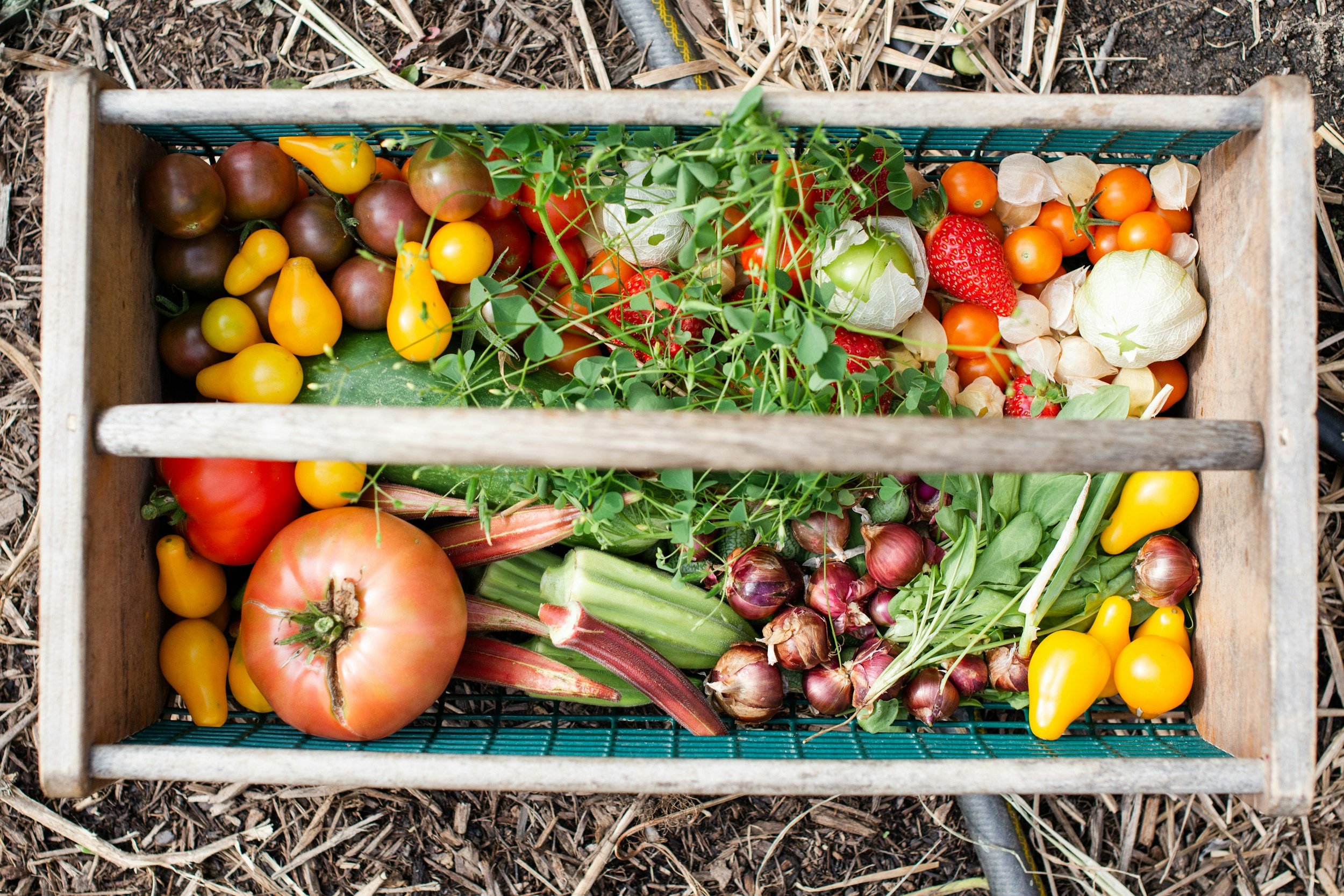
It might simply mean using the tomatoes sitting on your counter while adding sweet potatoes to dinner.
Or tossing fresh garden peppers into a pot of chili.
Or freezing the last of your green beans while planting lettuce for later.
September gives us a little bit of everything.
You may still find:
● Tomatoes
● Peppers
● Green beans
● Cucumbers
● Summer squash
● Fresh herbs
While early fall favorites begin making their way back into the kitchen:
● Apples
● Sweet potatoes
● Winter squash
● Greens
● Broccoli
● Cabbage
● Carrots
Instead of thinking about eating perfectly, think about adding something seasonal to what you’re already making.
Add an apple alongside lunch.
Throw a handful of spinach into scrambled eggs.
Roast sweet potatoes with dinner.
Add garden peppers to chili.
WHAT’S HAPPENING IN THE GARDEN
Making Room for What’s Next
The garden is definitely starting to look different than it did a month or two ago.
Right now, I’m working on that transition between finishing up the summer garden and getting the fall garden going.
That means harvesting what’s still producing, clearing plants that have finished, preserving what we can’t use right away, and making space for cooler-weather crops.
September is a good time to look around the garden and ask:
What’s still producing?
Let it keep going.
What’s finished?
Clear it out and give that soil a little attention.
Where is there an empty spot?
That might be the perfect place for a quick-growing fall crop.
Lettuce, spinach, kale, radishes and other cool-season vegetables can help breathe a little new life into beds that looked tired at the end of summer.
And don’t forget the herbs.
Some herbs may still have plenty of life left in them, so I’m continuing to harvest what I can and preserving extras for the colder months ahead.
The garden doesn’t have to be completely cleaned out and replanted in one weekend.
A little at a time is plenty.
FROM THE GARDEN TO THE FREEZER
Freeze Your Extra Peppers
If your pepper plants are still producing faster than you can use them, this is one of the easiest garden-preserving tricks.
You don’t have to blanch peppers before freezing them.
Simply:
1. Wash your peppers.
2. Dry them thoroughly.
3. Remove the stem and seeds.
4. Slice, dice or chop them however you normally cook with them.
5. Spread them on a baking sheet and freeze until firm.
6. Transfer the frozen peppers to a freezer-safe bag or container, remove as much air as possible, label and return to the freezer.
They won’t have the same crisp texture once thawed, so they’re better suited for cooked dishes.
Think chili, soups, casseroles, omelets, fajitas and skillet meals.
It’s one of those little things that doesn’t seem like much right now—but pulling a bag of your own garden peppers out of the freezer this winter feels pretty good.
THE DIETITIAN’S DISH
One-Pot Garden Vegetable Chili
This recipe feels just right for September.
It’s cozy enough to welcome fall but still gives you a place to use some of those tomatoes and peppers hanging around from the summer garden.
Serves 6
Ingredients
● 1 tablespoon olive oil
● 1 small onion, diced
● 1 bell pepper, diced
● 2 cloves garlic, minced
● 1 pound lean ground beef or turkey
● 1 can kidney beans, drained and rinsed
● 1 can black beans, drained and rinsed
● 1 can diced tomatoes
● 1½–2 cups chopped fresh tomatoes
● 1 cup corn, fresh or frozen
● 2 tablespoons chili powder
● 1 teaspoon ground cumin
● ½ teaspoon smoked paprika
● Salt and black pepper to taste
● ½–1 cup water or low-sodium broth, as needed
Directions
Heat olive oil in a large pot over medium heat.
Add the onion and bell pepper and cook until they begin to soften.
Add garlic and lean ground beef or turkey. Cook until the meat is browned and reaches a safe internal temperature, breaking it apart as it cooks. Drain excess grease if needed.
Stir in the beans, canned tomatoes, fresh tomatoes, corn and seasonings.
Add enough water or broth to reach your preferred chili consistency.
Bring everything to a gentle simmer and cook for about 20–30 minutes, stirring occasionally.
Taste and adjust seasonings before serving.
Make It Your Own
This is a good “use what you have” recipe.
Have zucchini left in the garden? Dice it and throw it in.
Extra peppers? Add another.
No fresh tomatoes? Canned works just fine.
Want to make it meatless? Leave out the meat and add another can of beans.
That’s the kind of cooking I love most—a recipe that gives you a starting point without making you feel like you have to follow every little thing perfectly.
RD tip: freeze leftovers for later meals.
Dietitian’s Note
Beans are an easy way to add both fiber and plant-based protein to a meal. Pairing them with vegetables, lean protein and your favorite toppings can turn a simple pot of chili into a filling, balanced meal.
Allergen Note: The basic recipe is naturally free from the major food allergens. Always check individual packaged ingredients and toppings if food allergies are a concern.
HERB OF THE WEEK
Rosemary
As we start moving toward cooler-weather cooking, rosemary earns its spot back in the kitchen.
Its stronger, earthy flavor pairs especially well with:
● Potatoes
● Chicken
● Pork
● Roasted carrots
● Soups and stews
● Homemade breads
● Olive oil marinades
If you have more rosemary than you can use fresh, try drying sprigs or freezing chopped rosemary for later.
A little goes a long way, which makes it an easy way to add plenty of flavor without relying only on salt.
POLLINATOR CORNER
Let the Late Bloomers Bloom
Fall garden cleanup doesn’t have to mean cutting everything down.
If you still have healthy flowers blooming, consider leaving some of them alone for a little longer.
Bees, butterflies and other pollinators are still looking for food as summer winds down, and late-blooming flowers can provide an important source of nectar and pollen.
Even flowering herbs can help.
Sometimes one of the best things we can do in the garden is simply leave a little bit of it alone.
THE KIDS’ TABLE
Apple Nachos
September also means apple season, and this is an easy snack kids can help put together themselves.
Slice an apple into thin wedges and arrange them across a plate.
Drizzle with peanut butter or another nut or seed butter, then let everyone choose their toppings.
Try:
● Cinnamon
● Raisins
● Chopped nuts
● Granola
● Unsweetened coconut
● A few chocolate chips
It’s simple, a little messy, and much more fun than handing them a plain apple.
Allergy Tip: For nut allergies, use an appropriate nut-free seed butter and check all toppings for cross-contact.
RD TIP OF THE WEEK
You don’t have to choose between fresh, frozen and canned vegetables.
They can all have a place in a balanced kitchen.
Eat the tomatoes fresh while they’re growing.
Freeze the peppers you can’t use.
Keep canned beans and tomatoes in the pantry for an easy dinner.
Nutrition doesn’t have to depend on having fresh-from-the-garden produce available every day of the year.
Sometimes the healthiest kitchen is simply the one that’s prepared.
September reminds us that change doesn’t always happen all at once.
The garden slowly shifts.
The mornings slowly cool.
Our meals slowly become a little warmer and heartier.
And somewhere between the last tomato of summer and the first bowl of fall chili, we get to enjoy a little bit of both seasons.
So use what’s growing. Freeze a little for later. Plant something new if you have the space.
Thanks for pulling a chair at the table and follow along for more of the fall series! -Haylea, MS, RD, LDN